
The Chamberlain Project

The Chamberlain Project
In partnership with higher education institutions and Blue Star Families, The Chamberlain Project supports retiring officers as they transition to civilian careers by helping with their entry into academia.
The program aims to:
-
Foster connections and understanding between the United States Armed Services and civilian institutions.
-
Enrich and diversify students’ educational experiences.
-
Ease the transition of retiring officers into civilian life.

About
The application window for the AY 2026–2027 Chamberlain Fellow Cohort is open from August 4 to September 17, 2025. Read more about the process below.
For the 2026-2027 academic year, The Chamberlain Project will be offering two awards (only one application is needed to be considered for both fellowships):
-
Up to four applicants will be selected as Chamberlain Fellows, with a $5,000 fellowship award paid directly to the recipient.
-
Up to two of those Chamberlain Fellows will then be selected for placement support through the Retiring Officer Teaching Fellowship (ROTF). Those candidates will receive additional assistance with job interviews at U.S. colleges and universities, and, if hired for a qualifying teaching position, the partner school will be awarded a one-year grant to help underwrite the fellowship placement.
Retiring officers with appropriate academic credentials are invited to apply for teaching fellowships for the 2026-2027 academic year.
Chamberlain and ROTF Fellowships will run for one year (August 1, 2026 - July 31, 2027). Fellowships are non-exclusive and do not preclude other engagements.
All Chamberlain Fellows (up to four) will receive a $5,000 fellowship award to support research activities, travel to U.S. colleges and universities, access to academic journals, and more.
For ROTF Fellows (up to two), the institution at which they are hired will receive a grant of $40,000 for the fellowship period. ROTF Fellows’ salaries will be determined by the institution and fellows may receive health benefits through the school’s health program. Additional benefits and final compensation details will be in accordance with the host institution’s policies as they pertain to similarly-situated faculty members.
After the September 17, 2025 application deadline for the 2026 - 2027 academic year, the following process will take place:
-
Selection: The Chamberlain Project will select Chamberlain Fellows, who will receive a one-time fellowship award of $5,000 that can be applied to activities related to transitioning into civilian life, such as campus visits for interviews, travel to meet with faculty, access to scholarly journals behind a paywall, access to software for research purposes, etc. Chamberlain Fellows will be notified of their selection by October 15, 2025.
-
Application Sharing: From that group, The Chamberlain Project will select up to two ROTF Fellows by October 15, 2025, whom they will then work with to assist in their job application process, including sharing the fellows’ applications with a select list of partner institutions as determined through conversation between the fellow and The Chamberlain Project staff. If a partner institution identifies a candidate of interest, those two parties will coordinate the interview and hiring process according to their internal protocols and procedures. The Chamberlain Project does not have a role in hiring decisions.
-
Outreach and Preferences: For ROTF Fellows who have existing relationships with institutions, or who have specific preferences of where they want to teach (including schools that The Chamberlain Project has not previously partnered with), The Chamberlain Project will collaborate with the fellows to determine outreach to those institutions.
-
Funding: Once an ROTF Fellow has been offered and accepted a teaching position, the host institution will receive a one-time $40,000 grant to support the total salary and benefits of the fellow. Total salary and benefits offered to a fellow will vary by host institution.
-
Teaching and Responsibilities: ROTF Fellows will be required to teach at least two full-credit courses, one in each of the fall and spring terms. They may also be asked to teach additional courses. Fellows are expected to mentor students, participate in departmental activities, and engage in campus life. The specific details of the fellowship, including course assignments, will be agreed upon between the fellow and the host institution.
-
Partner Institutions: The Chamberlain Project will work with ROTF fellows to help with their connections to colleges and universities. Past partner institutions include Amherst College, Bard College, Barnard College, Bowdoin College, Colorado State University Pueblo, Denison University, Hamilton College, Howard University, Lehigh University, Norwich University, Oberlin College, Swarthmore College, Vassar College, Wellesley College, and Wesleyan University. Interested Partner Institutions should reach out to the Chamberlain Project to join this esteemed cohort.
Candidates must complete the online application form, including a letter of interest and a current curriculum vitae. In the letter, applicants should, at a minimum, describe their motivation for applying for the fellowship, include a statement of teaching philosophy, outline at least one of the courses they propose to teach, and describe how they anticipate their courses and their presence on campus serving the goals of The Chamberlain Project.
The curriculum vitae must include educational background, publications, prior teaching experience (including course titles), and other relevant experience. Applicants must have a PhD or appropriate terminal degree in their field of study, and must have retired or plan to retire from the U.S. Armed Services after July 31, 2026. Prior teaching experience is not a required qualification.
Applicants may submit all materials through our online application.
The Fellows
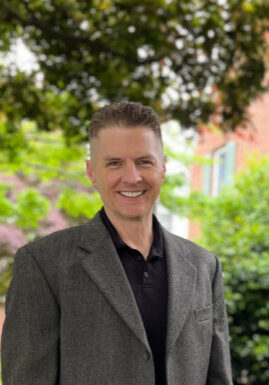
Joseph Hatfield
Chamberlain Project Retiring Officer Teaching Fellow, Agora Institute at Johns Hopkins University, 2024-2025
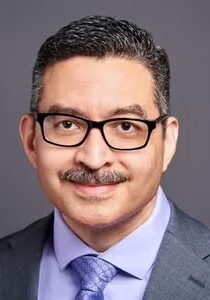
Matthew Hawks
Chamberlain Project Retiring Officer Teaching Fellow, Georgetown University, 2024-2025
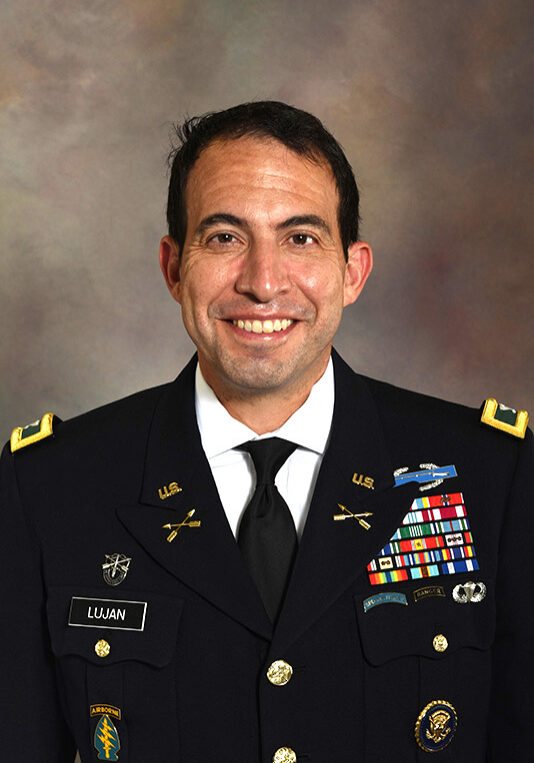
Fernando Lujan
Chamberlain Project Retiring Officer Teaching Fellow, Howard University, 2023-2024
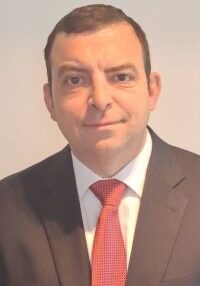
Scott A. Smitson
Chamberlain Project Retired Officer Teaching Fellow, Amherst College, 2022-2023, 2023-2024
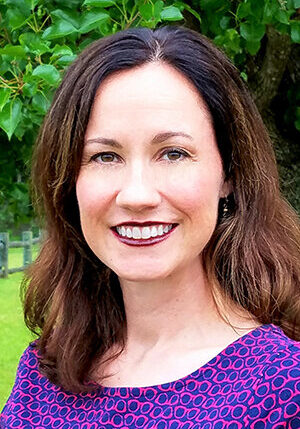
Courtney A. Short
Chamberlain Project Retired Officer Teaching Fellow, Colorado State University Pueblo, 2021-2022, 2022-2023
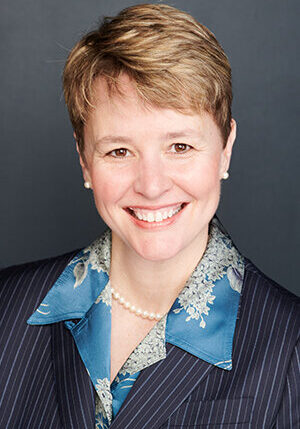
Heidi A. Urben
Chamberlain Project Retired Officer Teaching Fellow, Howard University, 2021-2022
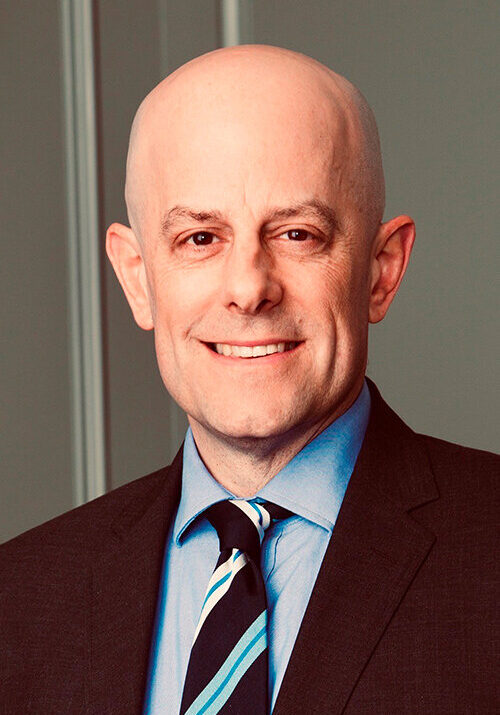
Ty Seidule
Chamberlain Project Retired Officer Teaching Fellow, Hamilton College, 2020-2021, 2021-2022
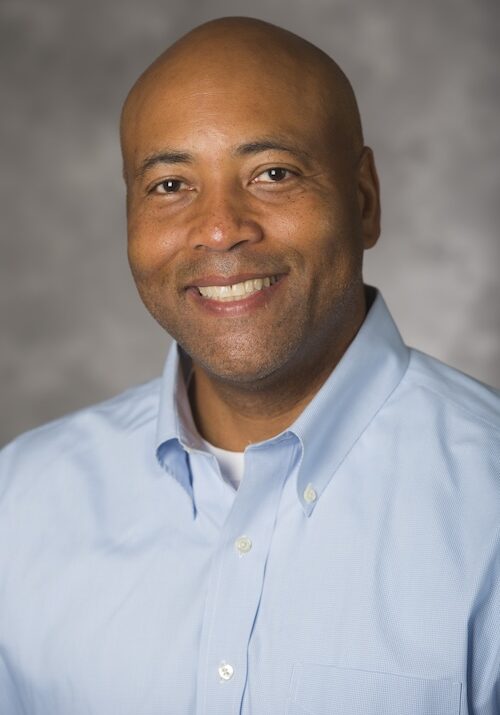
Derek Handley
Chamberlain Project Retired Officer Teaching Fellow, Amherst College, 2019-2020
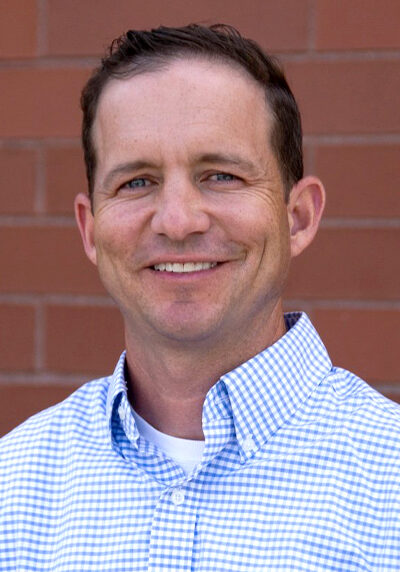
Joseph Slaughter
Chamberlain Project Retired Officer Teaching Fellow, Wesleyan University, 2019-2020, 2020-2021
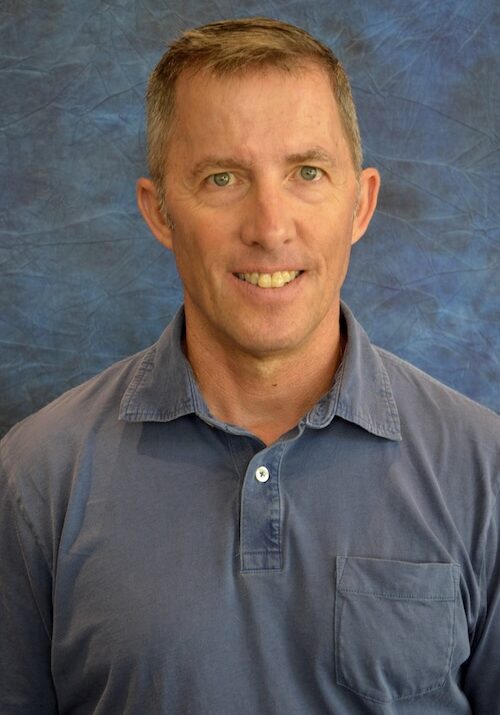
Robert Cassidy
Chamberlain Project Retired Officer Teaching Fellow, Wesleyan University, 2019-2020, 2020-2021
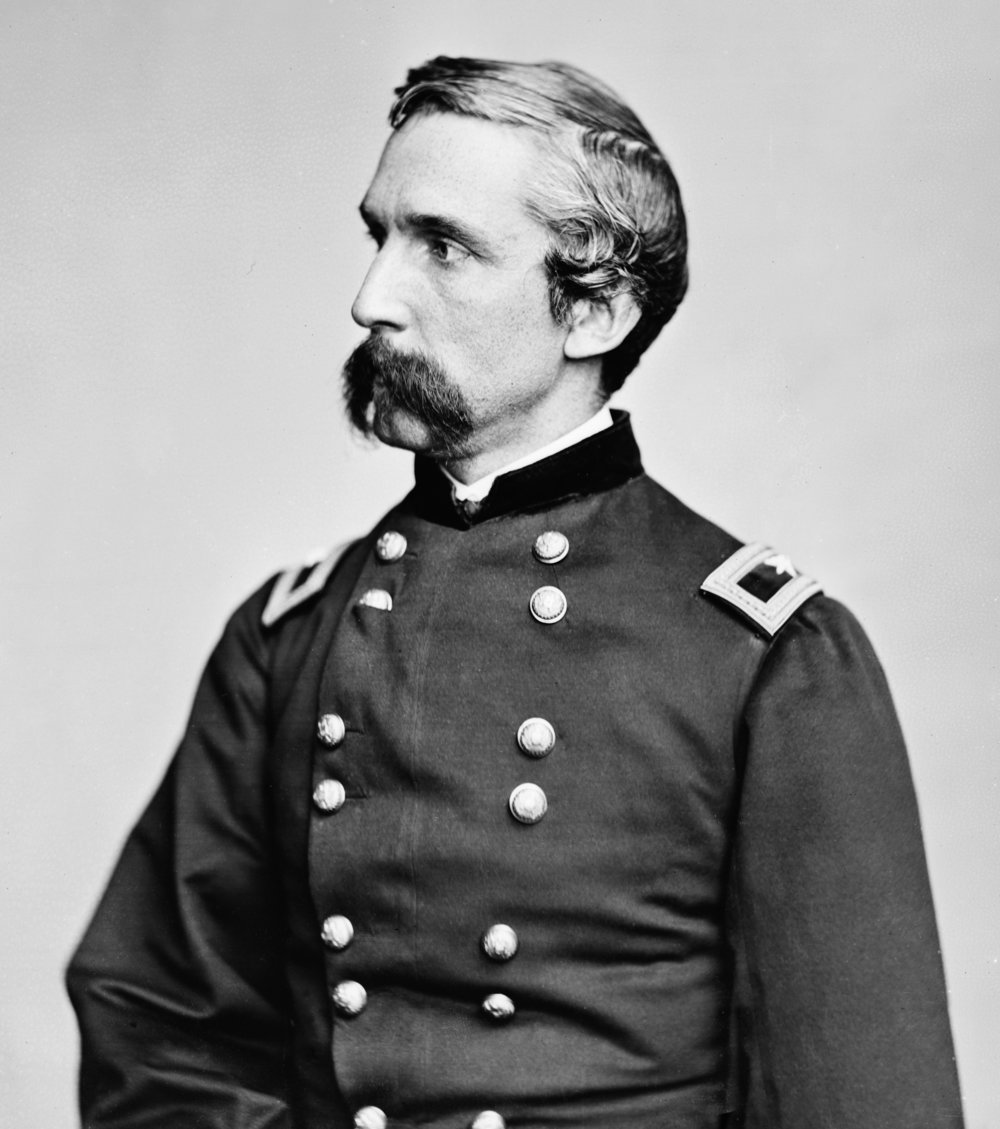
About Joshua Lawrence Chamberlain
The Chamberlain Project’s name is a reference to Joshua Lawrence Chamberlain, who exemplified the spirit of the Retiring Officer Teaching Fellowship.
A professor at Bowdoin College, he was also a Union officer in the Civil War, reaching the rank of Brevet Major General.
His service and leadership of the 20th Maine Regiment in the Battle of Gettysburg earned him a Medal of Honor. After the war he went on to serve as Governor of Maine for four years, and subsequently returned to Bowdoin College, where he served as president of the College for over a decade.
His commitment to service and teaching characterized both his military and academic careers.
Frequently Asked Questions
Q: What are the primary objectives of the Chamberlain Project?
A: The Chamberlain Project seeks to achieve three primary objectives through its fellowships:
-
For colleges and universities, the Chamberlain Project seeks to support the richness and diversity of undergraduate education by providing an opportunity for both faculty and students to engage with perspectives and experiences that are often underrepresented on campus.
-
For the fellows, the Chamberlain Project seeks to provide an opportunity to extend a career in public service through teaching and mentorship.
-
For the public, the Chamberlain Project seeks to provide a bridge for what is commonly referred to as the civil‐military divide.
Q: What is the civil-military divide?
A: The civil-military divide refers to the cultural and social gap between service members and civilians. Since the end of the draft in 1973, there has been a significant decline in the proportion of the population serving in the United States Armed Forces. Today, the Census Bureau estimates only 7 percent of U.S. adults are veterans, one-third lower than at the beginning of the 21st century. Consequently, fewer civilians have the chance to forge ties with active or retired service members and civilians have limited opportunities to engage in cross-cultural dialogue that culminates in mutual understanding and informed discourse. The widening civil-military divide could have serious long-term implications on civilian control of the military, America’s military readiness, and the future of our all-volunteer force during times of peace and conflict.
Q: What does it mean to be a Chamberlain Project partner institution?
A: Engagement with the Chamberlain Project as a partner institution signals an interest in hosting a Chamberlain Fellow. Partner institutions make no advance commitment to host a fellow, and the decision to hire a fellow for a one-year appointment is made on a case‐by‐case basis by the institution in furtherance of its institutional and departmental priorities. Interested institutions should reach out to receive more information.
Q: Who is eligible to be a Chamberlain Fellow?
A: Applicants must have a Ph.D. or appropriate terminal degree in their field of study and have retired or plan to retire from the United States Armed Services within two years prior to the start of their potential fellowship. All fellows are retired from active‐duty service during their engagement with the host institution.
Q: How does a retiring officer apply to be a Chamberlain Fellow?
A: Applicants must complete the online application by the annual deadline (typically early fall, specific dates are noted above) to be considered for a fellowship during the following academic year.
Q: How are Chamberlain Project Fellows selected and placed at partner institutions?
A:
The Chamberlain Project receives and reviews applications. Select applicants will be invited to interview. Finalists who are accepted as Chamberlain Fellows will receive a $5,000 fellowship award from Blue Star Families at the beginning of their fellowship year, typically the beginning of August.
Up to two Chamberlain Fellows will be selected as ROTF Fellows and will have the opportunity to collaborate with The Chamberlain Project staff to identify preferred institutions and develop a plan for outreach. If interested, schools will directly invite applicants to enter the interview process. Colleges and universities evaluate, interview, and hire applicants based on their existing visiting professor protocols and processes. The Chamberlain Project is not involved in those decisions.
Q: Are applicants required to have teaching experience?
A: No. The Chamberlain Project does not require applicants to have prior teaching experience. However, each academic institution screens ROTF Fellows and decides whether to invite them to participate in the interview process based on the institution's expectations and standards. ROTF Fellows with prior teaching experience have the strongest track record of being placed at their desired institution since instructional experience is often expected.
Q: What is the typical placement timeline?
A: The Chamberlain Project sends applications to the network of partner institutions following fellow selection. We expect partner institutions to indicate their interest in interviewing ROTF Fellows before the end of the calendar year. ROTF Fellows typically receive a formal offer between April and June.
Q: Can ROTF Fellows seek placements at an academic institution that is not a current Chamberlain Project partner institution?
A: Yes. ROTF Fellows interested in a placement at an institution that isn’t currently part of the network of partner institutions are encouraged to articulate this interest to Chamberlain Project staff and identify a contact, typically the program or departmental administrator. Chamberlain Project staff will work with the ROTF Fellow to conduct outreach and explore a possible collaboration. ROTF Fellows seeking placement outside the existing network should begin outreach as early in the process as possible to improve the chances of a placement at the desired institution. As the ROTF has become better known and more competitive, this can be an effective strategy to increase the chance of securing a placement.
Q: What is the compensation for the fellowship?
A: All Chamberlain Fellows will receive a one-time fellowship award of $5,000 that can be applied to activities related to transitioning into civilian life, such as campus visits for interviews, travel to meet with faculty, purchasing access to scholarly journals behind a paywall, access to software for research purposes, etc.
Once an ROTF fellow has accepted a teaching position, the host institution will receive a one-time $40,000 grant to support the total salary and benefits of the fellow. Total salary and benefits offered to a fellow will vary by host institution. In practice, the total value of compensation and benefits for fellows has always exceeded this amount. In each case, the amounts are established by an agreement between the host institution and the fellow. Applicants are not required to accept an offer that does not meet their salary requirements.
The Chamberlain Project expects ROTF Fellows to be compensated and receive benefits commensurate with their experience and status as a visiting professor (or equivalent title). Benefits may include moving expenses, research stipends, and other grants, in addition to traditional benefits like health care and dental coverage.
Q: Are host institutions expected to provide housing to visiting fellows?
A: No. The Fellowship does not require institutions to provide housing to visiting fellows. Some schools have provided a stipend for relocation expenses but this is at the sole discretion of the school.
Q: How are the Chamberlain and ROTF fellows paid?
A: All Chamberlain Fellows will receive a $5,000 fellowship award directly from Blue Star Families. (Fellows accepted into ROTF will also receive the $5,000 fellowship award.) Recipients should consult with a tax adviser for how to file the award.
ROTF Fellows will be paid by the U.S. college or university they are hired at. The college or university hiring an ROTF Fellow will receive a $40,000 grant from Blue Star Families that outlines the funding, teaching, and reporting expectations. This grant is disbursed directly to the host institution and the host institution is responsible for the remainder of the total cost. The host institution is responsible for managing and administering all compensation and benefits for the fellow in the same manner as it does for other faculty.
Q: How is the Chamberlain Project Funded?
A: Support for the Chamberlain Project comes from the Jennifer and Jonathan Allan Soros Foundation, a private foundation registered under section 501(c)(3) of the IRS tax code. No funding for the Chamberlain Project or the ROTF comes from the United States Government.
Q: Does the Chamberlain Project set an expectation that fellows will be appointed to a permanent academic position at a hosting institution?
A: No. The Chamberlain Project sets no expectation that fellows will be offered academic appointments upon completion of the fellowship at the hosting institution. The Retired Officer Teaching Fellowship (ROTF) is designed to facilitate a retired officer’s return to civilian life and offers a valuable academic experience as they consider future opportunities in academia and the private sector. Several past fellows have successfully secured continuing appointments with their host institutions or at other elite colleges and universities throughout the United States.
Q: Do fellows teach existing course offerings or develop new courses?
A: Each host institution makes a determination regarding its curriculum needs and comes to an agreement with the fellow about the courses they will teach. The Chamberlain Project sets no requirements regarding specific curriculum. The Retired Officers Teaching Fellowship (ROTF) has been designed to support applicants across all academic disciplines, and past fellows have taught courses in various disciplines across the humanities and social sciences.
Q: Will fellows be expected to publish academic papers during the teaching fellowship?
A: The Chamberlain Project does not require fellows to publish academic papers during the fellowship. Host institutions may have academic publishing requirements and this would be stipulated during the negotiation process.
Q: Are hybrid/remote fellowships acceptable?
A: Flexible work arrangements can be set by the host institution if it fulfills the mutual needs of the applicant and the host. The Chamberlain Project encourages in-person instruction and campus engagement but will support flexible work arrangements.
Q: Are single-semester fellowships available?
A: No. Fellows are expected to teach at least one course per semester/trimester/quarter at a partner institution for the full school year.
Q: Are there limits on the number of fellows in a given year?
A: At this time, The Chamberlain Project will accept a maximum of four Chamberlain Fellows and two ROTF Fellows in a given year.
Q: Does the Chamberlain Project set student learning outcomes for the Fellows’ courses?
A: No. Fellows are expected to develop appropriate student learning outcomes in alignment with their department’s requirements and expectations. Chamberlain Fellows have consistently received strong course evaluations from students and inspired future academic curiosity and learning.
Q: Are there any reporting requirements for host institutions and fellows?
A: Yes. For host institutions, a brief year-end, post-fellowship report (including a short review of the fellow’s engagement on campus and the perception of the program) is requested.
Fellows are required to submit a post-fellowship report to the Chamberlain Project and the host institution outlining accomplished activities.
Q: Do Chamberlain Fellows engage in campus life?
A: Yes. Chamberlain Fellows are required to be active participants in the campus community to advance the goal of bridging the civil-military divide. Past examples of campus engagement include advising student groups and mentoring students, participating in department events and activities, and involvement with the ROTC program or Veterans Center.
Q: Are fellows paired with an advisor and/or mentor?
A: Yes. The Chamberlain Project aims to pair new fellows with past fellows to offer support, guidance, and peer mentorship.
Q: Are there networking opportunities for fellows?
A: The Chamberlain Project maintains an alumni network. The Chamberlain Project also periodically sponsors programming to foster networking such as in-person lectures. Throughout the fellowship, fellows are encouraged to share events of interest and support each other’s endeavors.
Q: Are there any articles that speak to the fellowship experience?
A: Yes. One recommended reading is an interview in the Wesleyan Argus with Col. Robert Cassidy, where he shares his reflections on his time as a Chamberlain Project Fellow. Read more here.

Ready to find out more?
If your institution of higher education is interested in being a partner to the Chamberlain Project, please reach out.